The case for a ten-minute walk after dinner
A small, free habit with good evidence behind it, and a pleasant end to the day.


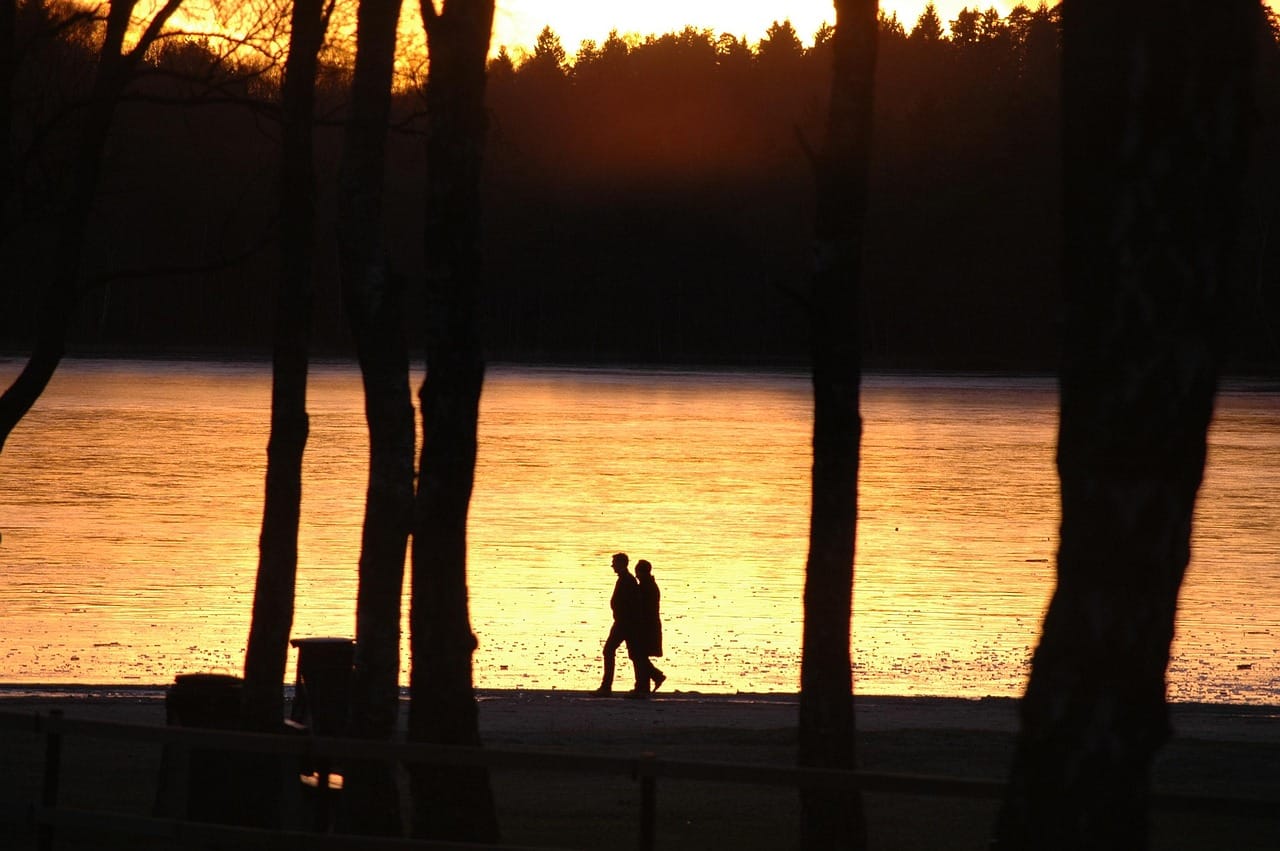
It is one of the simplest pieces of health advice you will ever hear: after dinner, go for a short walk. No equipment, no gym, no special clothes. Ten minutes is enough. There is growing evidence that this small habit helps your body handle the meal, and many people find it helps their mood and sleep as well.
What happens after a meal
After you eat, the sugar from your food moves into your blood. Your body releases insulin to move it into your cells. The bigger and more sugary the meal, the higher the rise. Your muscles are among the biggest users of that sugar, and when they move, they take it up faster, even without extra insulin.
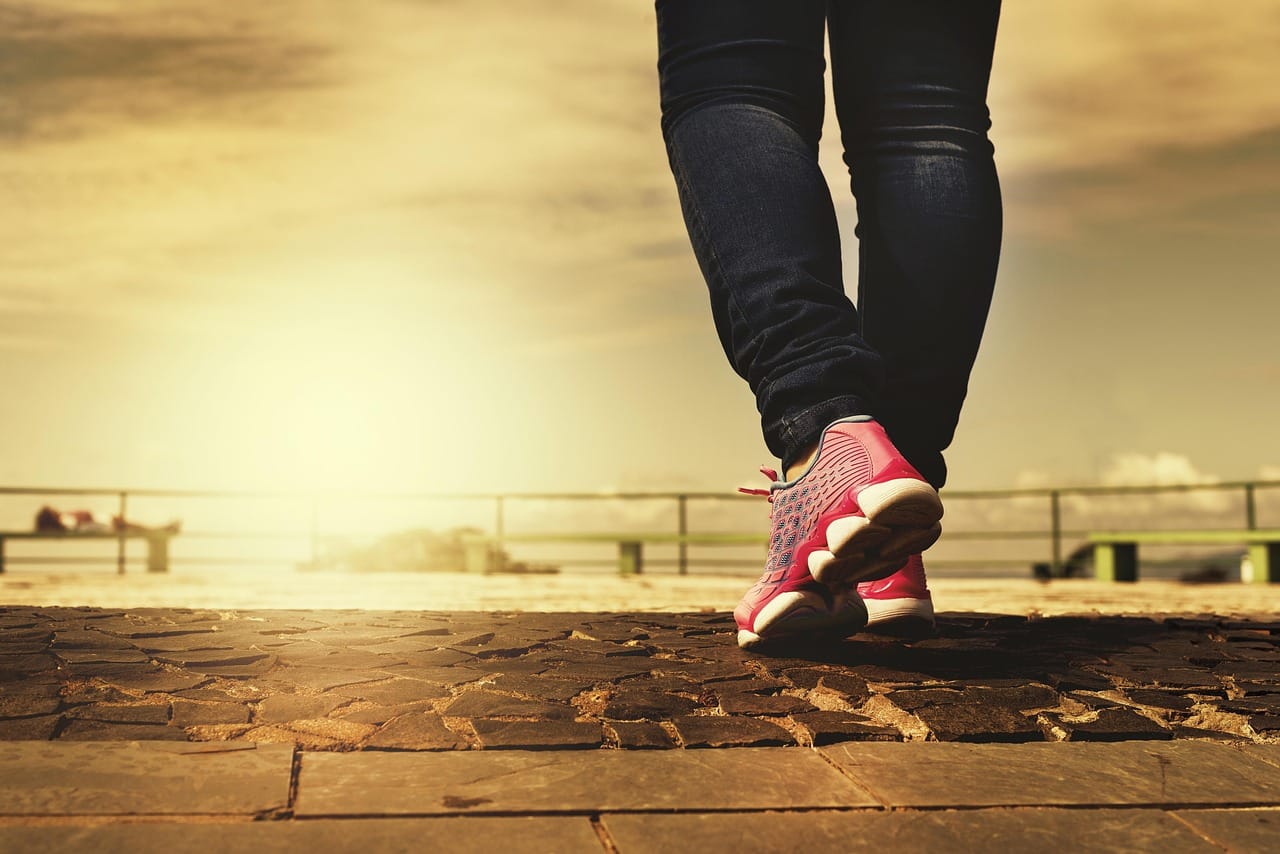
That is the idea behind the after-dinner walk. Moving your legs soon after eating puts your largest muscles to work just as the sugar from the meal arrives.
How much and when
Studies suggest that even a few minutes of light walking after meals helps, and that 10 to 15 minutes is a practical target. The best time is within half an hour of finishing your meal. It does not need to be fast: a normal, comfortable pace is enough.
The best exercise is the one you will actually do. After dinner, that is a walk.
Daniel Osei
More than blood sugar
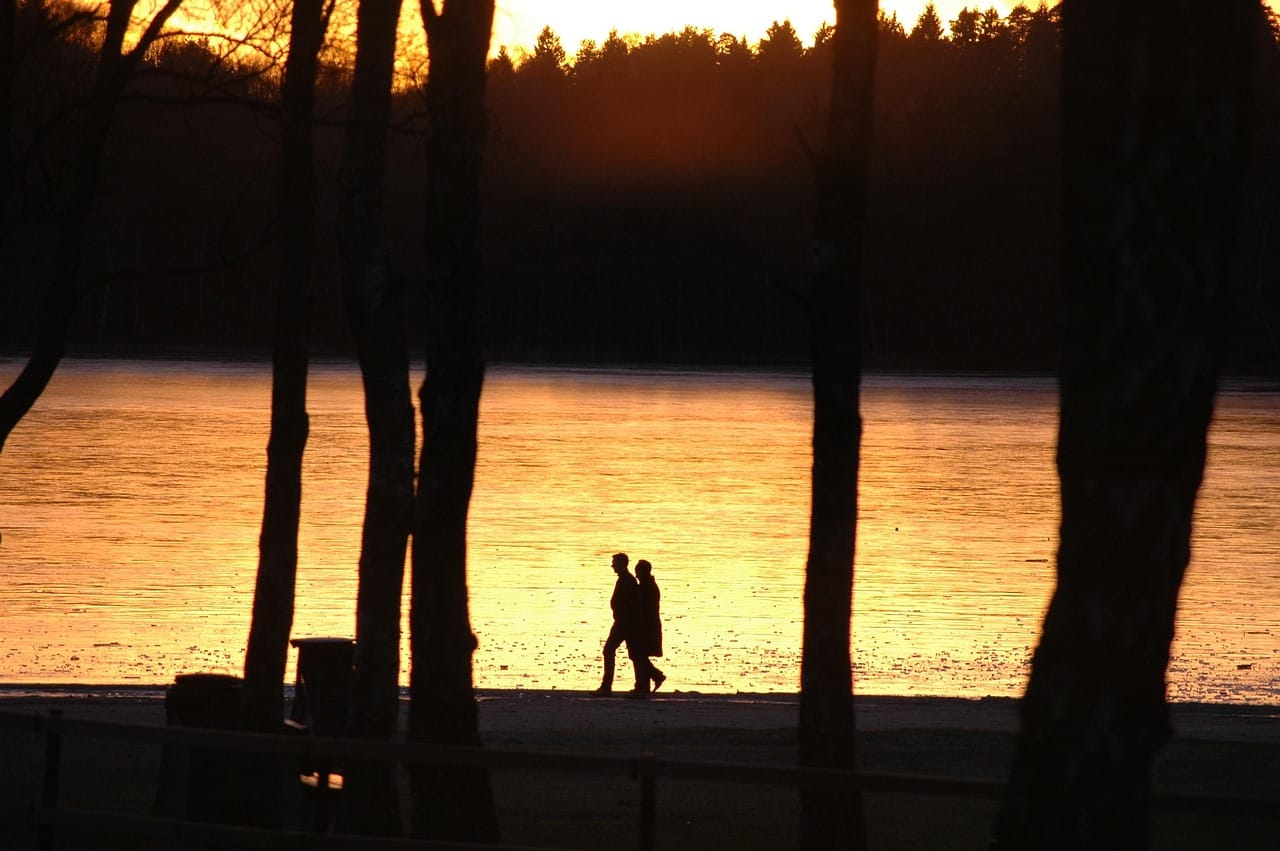
People who make the habit stick often talk about other benefits. A walk after dinner is a break from screens, a time to talk with family or a partner, and a gentle way to end the day. Many find it helps them sleep better, and it adds up: ten minutes after dinner every day is more than an hour of walking a week.

Making it a habit
- Link it to something you already do: finish eating, put on shoes, go.
- Keep a route that takes about ten minutes.
- Walk with someone; it is easier to keep going.
- On rainy days, walk around the house or up and down the stairs.
Who should check first
If you have diabetes and take medicine that lowers blood sugar, talk to your doctor about timing. People with heart or joint problems should build up slowly.
What if you cannot walk?
Walking is not the only option. Any light activity that uses the big muscles of the legs seems to help: cycling slowly on an exercise bike, doing some housework, dancing in the kitchen or doing a few gentle squats and calf raises. For people who use a wheelchair, arm exercises and moving around the home also count. The principle is the same: move your muscles gently in the half hour after eating.
Small steps add up
Habits like this matter because they are small enough to keep. A ten-minute walk after dinner every day is easier to maintain than an hour at the gym three times a week, and over a year it adds up to more than sixty hours of walking. Combined with a varied diet and enough sleep, it is one of the easiest good habits there is.
A habit across cultures
The after-dinner walk is not a new idea. In many parts of the world, it has been part of daily life for generations: the evening passeggiata in Italian towns, the paseo in Spain, and similar evening strolls in many other countries. Families and friends walk slowly through the streets after the evening meal, greeting neighbours and catching up on the day.
What was once simply a social custom now has science behind it. But the social side may be just as valuable: a regular walk together is a way to stay connected, and it makes the habit much easier to keep.