The neighbourhood cinema is back, and it has learned some new tricks
Smaller rooms, better food, strange double bills and memberships. How a new wave of small cinemas is making the economics work.

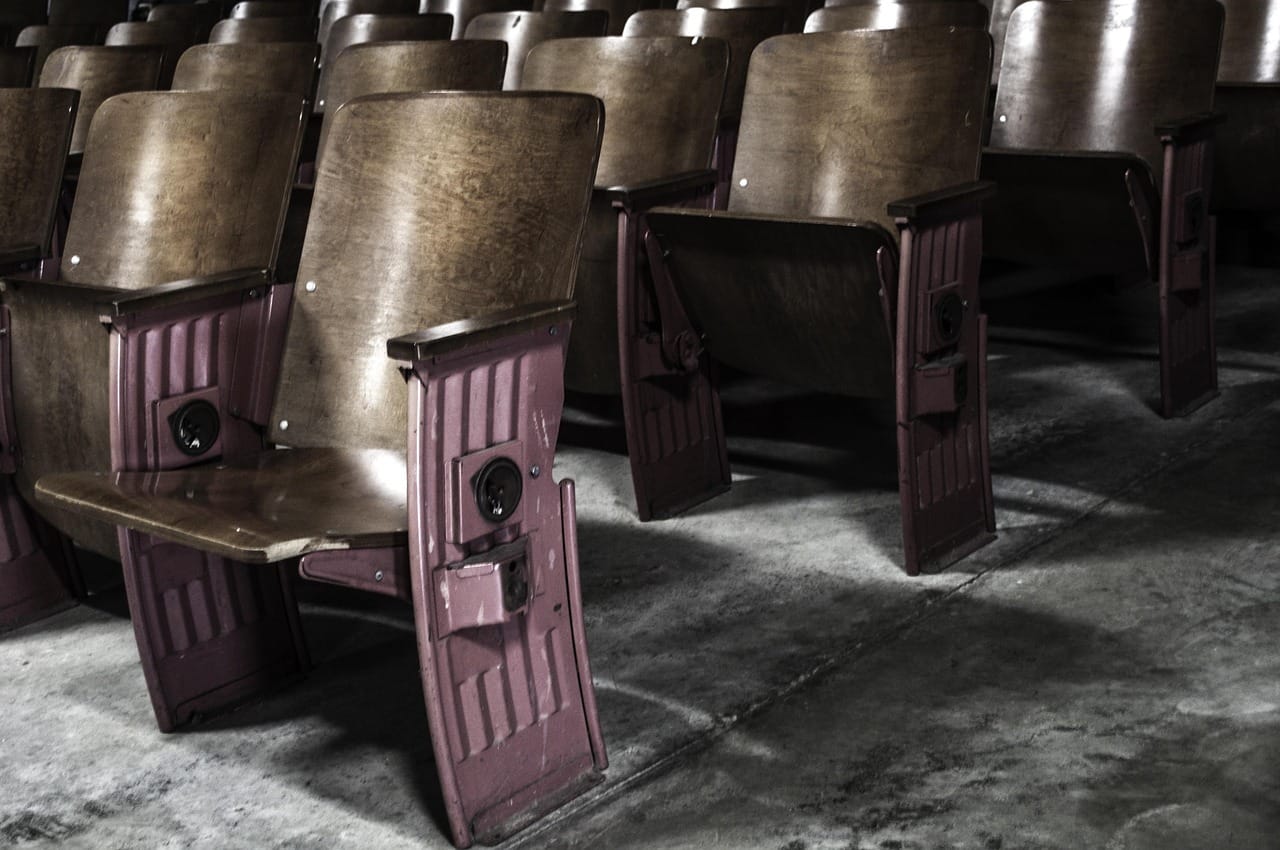
For twenty years, the story of the small cinema was a story of closures. Streaming made the sofa the best seat in the house, the multiplexes took the blockbusters and the old single-screen halls on the high street became gyms, flats and supermarkets. Then something unexpected happened. In towns and city neighbourhoods across Europe and North America, small cinemas started opening again.
They are not the cinemas of the past. The new ones are smaller, stranger and much more social. They serve good food, they know their audience by name, and they show films you cannot easily find anywhere else. This is how they are making it work.
A room, not a screen
The first thing you notice in a new neighbourhood cinema is how little it looks like a multiplex. There might be sofas instead of rows of seats, a bar at the back, lamps on small tables. Many have fewer than a hundred seats. Some have fewer than forty.
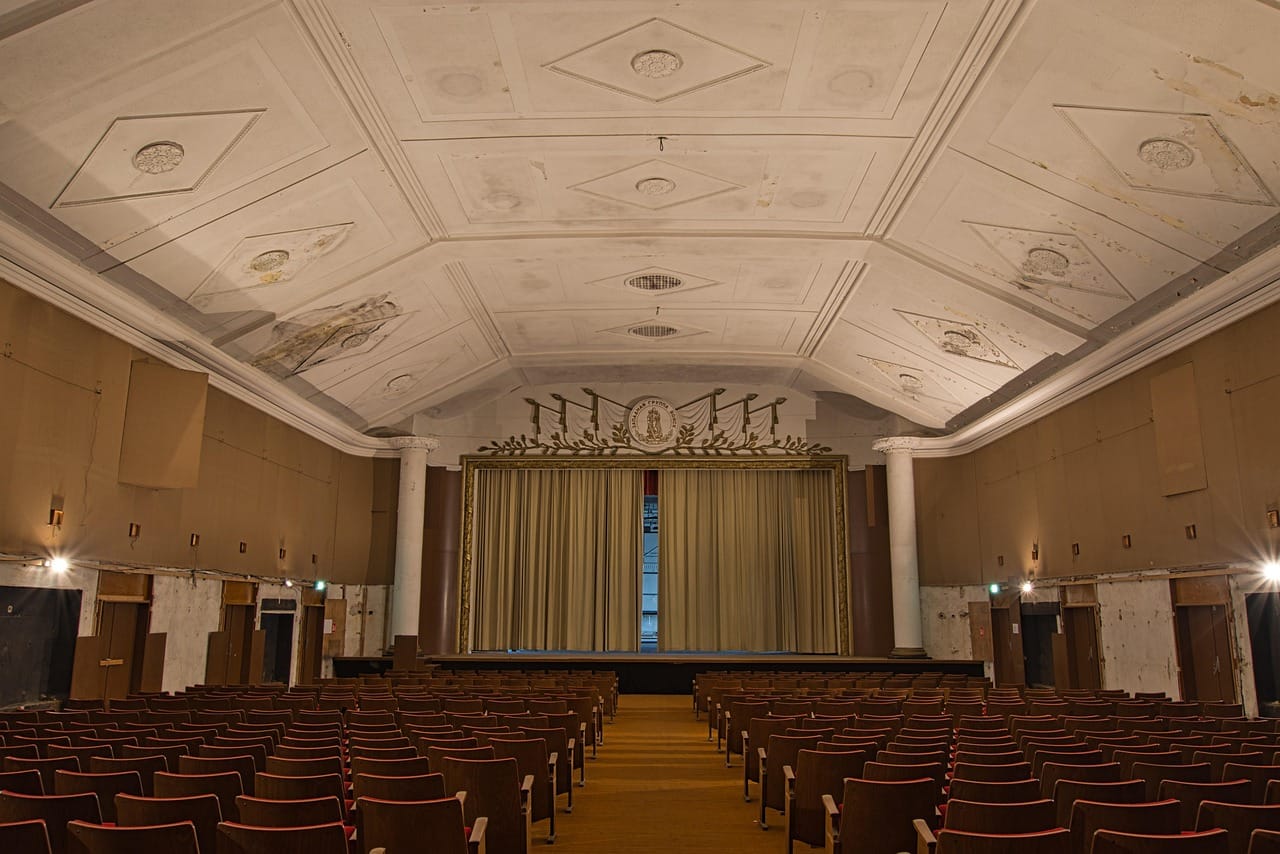
That size is the point. A small room fills up, and a full room is a completely different experience from a half-empty multiplex on a Tuesday. Laughter spreads. People talk to each other at the bar afterwards. Owners describe their cinemas as a kind of living room for the neighbourhood, and audiences seem to agree.
Programming like a record shop
The films are different too. Neighbourhood cinemas rarely compete for the biggest releases. Instead, they build programmes like an independent record shop builds its shelves: a mix of new independent films, classics, documentaries, foreign-language releases and strange double bills that only make sense after you have seen them.
People don't come because we have the film. They come because we chose it.
a cinema owner in Leeds
Themed seasons help. A month of films set in kitchens, a weekend of 1980s science fiction, a series of films introduced by the local people who love them. These events give audiences a reason to come on a particular night, rather than waiting for the film to appear on a streaming service.


The membership model
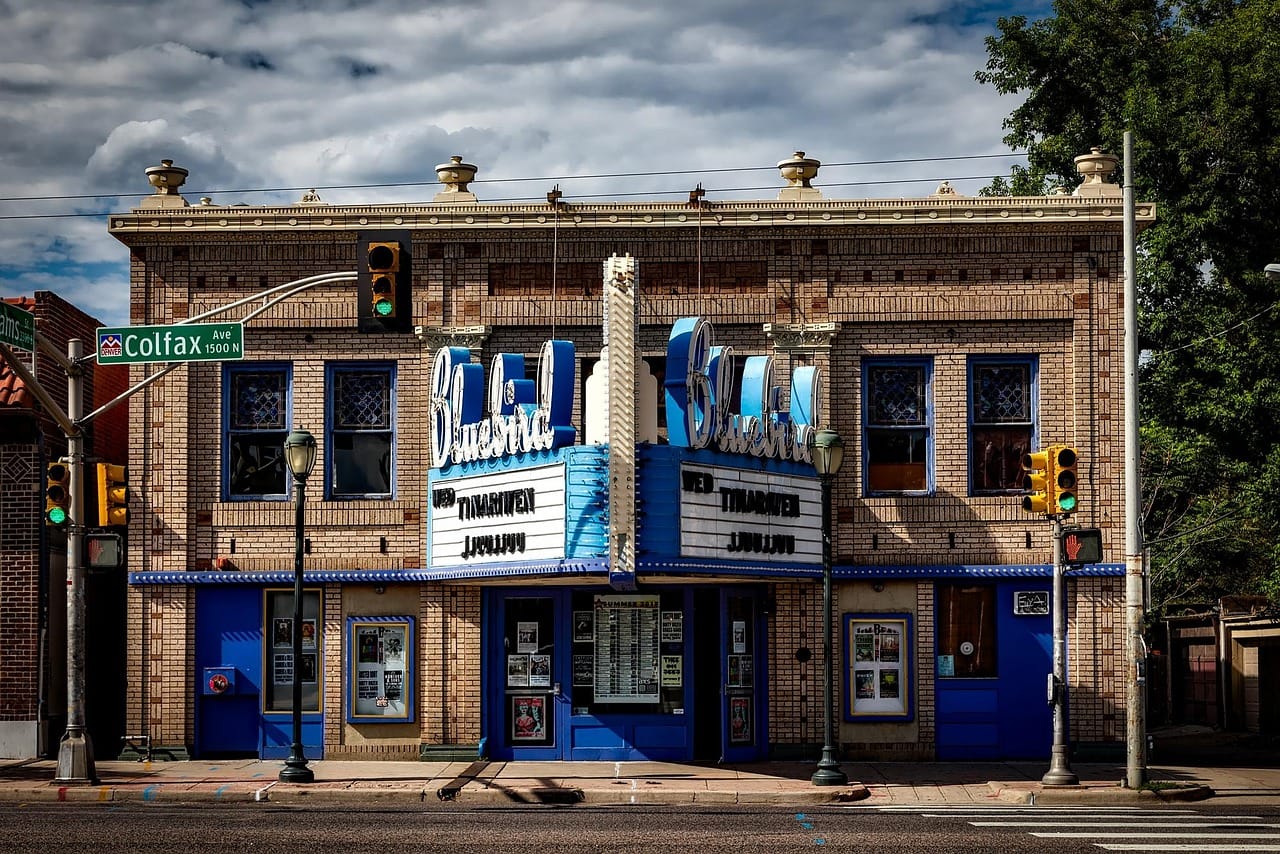
Almost every new neighbourhood cinema sells some kind of membership. For a monthly or yearly fee, members get cheaper tickets, early booking, free films on certain nights or invitations to special screenings. For the cinema, the money arrives every month, whatever is showing, which makes planning far easier.
Membership also changes how people behave. Members come more often, bring friends and feel a sense of ownership. Several cinemas started as community projects, funded by hundreds of small donations from local people who wanted a cinema back on their street.
| What a small cinema earns from | Typical share |
|---|---|
| Tickets | About half |
| Food and drink | About a third |
| Memberships | Around a tenth |
| Private hire and events | The rest |
Food, drink and the long evening
Food and drink are not a sideline. For most small cinemas, the bar and kitchen bring in almost as much money as the tickets. The best ones treat food seriously: local beer, good coffee, proper pizza, a menu that people would visit even without a film. Some cinemas let you order to your seat; others make the bar the place to linger before and after.

This has an effect beyond the cinema itself. A busy cinema brings people onto the street in the evening. Nearby restaurants stay open later. Planners and local councils have noticed, and some now help fund cinemas as part of plans to bring life back to their high streets.
What could go wrong
None of this is easy. Film rental terms can be tough for small screens, energy bills for projectors and heating are high, and the equipment is expensive. Many small cinemas depend on the energy of one or two founders, which is hard to sustain for years.
But the model is spreading. The lesson from the neighbourhood cinema is one that many other businesses are learning: people will still leave the house, if you give them a place worth going to.
The audience is younger than you think
Owners are often surprised by who comes. The assumption was that small cinemas would serve older audiences with memories of the old picture houses. Instead, many report that people in their twenties and thirties are among their most loyal customers, drawn by the social side of the evening, the carefully chosen films and a way of spending a night out that feels more personal than a chain.
Late screenings, cult classics and films paired with discussions or live music attract audiences who rarely went to a multiplex. For them, going to the cinema is not about seeing a film first. It is about seeing it together, in a room with people who care as much as they do.