The unwritten rules of the pub quiz
Phones away, never shout out and the quizmaster is always right. A guide for newcomers.

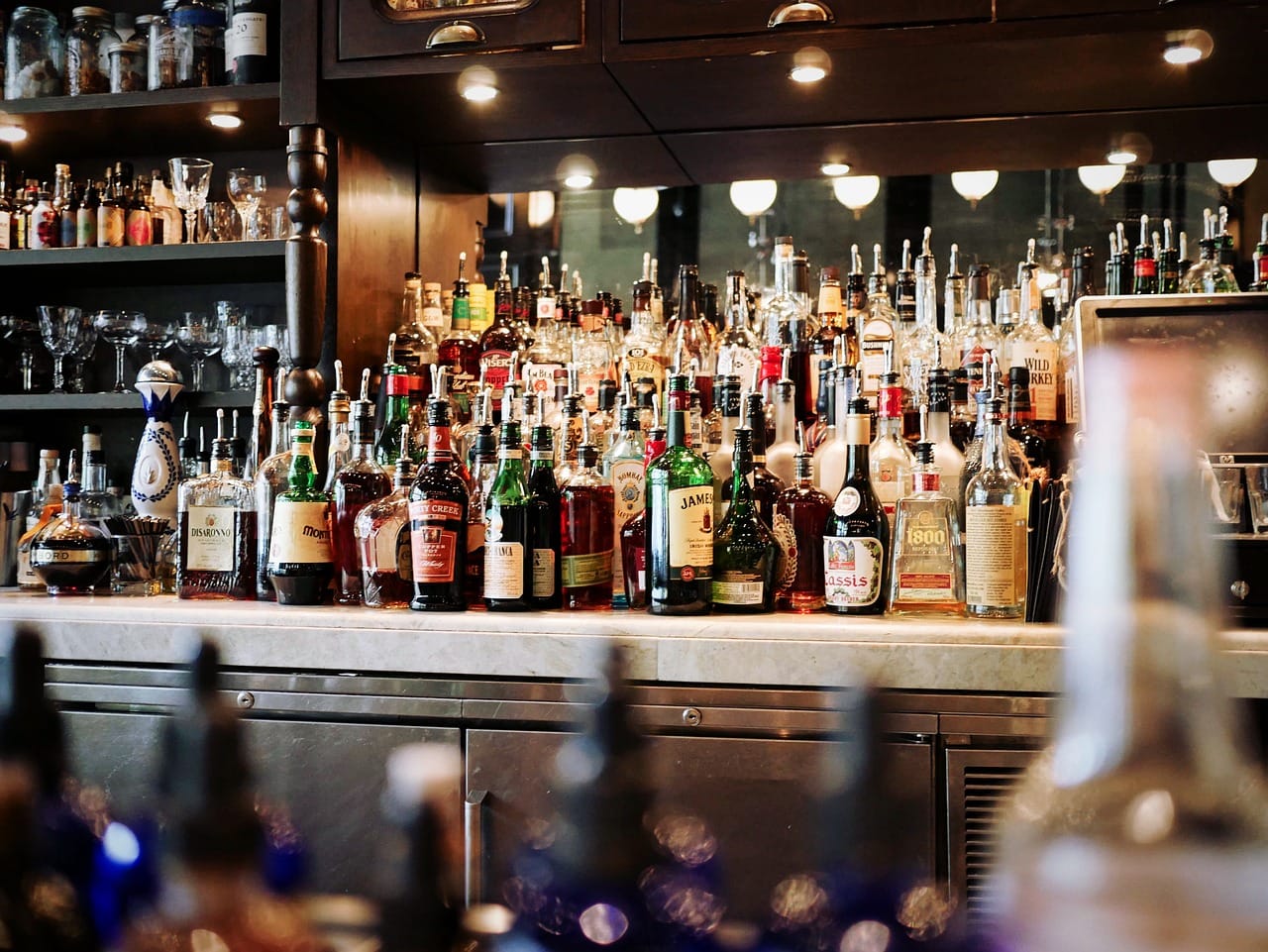
Every week, in thousands of pubs, teams with terrible names gather around small tables to argue about capital cities, song lyrics and the number of legs on a lobster. The pub quiz is one of the most loved traditions of pub culture, and it has survived pandemics, smartphones and changing drinking habits. It also has a set of unwritten rules that every regular knows and every newcomer breaks.
Phones stay in pockets
The first rule is the most important. Looking up an answer on your phone is cheating, and everyone knows it. Most quizzes say so; the best ones do not need to. Teams police themselves, and a team caught looking will not be welcome for long.

Never shout out
The second rule: never say an answer loudly. Whisper, write it down or slide the paper across. A team that shouts out an answer gives it to every table in the room.
The quiz is the only place where knowing a lot of useless things is a superpower.
Maya Lindqvist
The quizmaster is always right
Even when wrong. Challenge politely at the end if you must, but accept the ruling. Quizmasters are usually volunteers or bar staff who wrote the questions in their own time.

A good team
The best teams have a mix of knowledge: someone who knows sport, someone for music, someone for science, someone who reads the news. Four to six people is ideal.
The origins of the pub quiz
Quiz nights in pubs became popular in Britain in the 1970s, when brewers and landlords looked for ways to bring customers in on quiet weekday evenings. The format spread quickly: teams, a set number of rounds, a small prize and a lot of good-natured arguing. Today, quiz nights are found in pubs and bars across the world, from Dublin to Sydney.
The quizmaster's craft
Writing a good quiz is harder than it looks. The best quizmasters mix easy questions that everyone can answer with a few hard ones that separate the teams, and they avoid questions where the answer can be argued. Picture rounds, music rounds and a final "jackpot" question keep the evening lively.
Many quizmasters spend hours on each week's questions, checking every answer in more than one source. The best compliment a team can give is to come back next week.
A tradition that keeps changing
Quiz nights have changed with the times. Many now have themed evenings, from film and television to a single band's songs. Some pubs run quizzes on screens with answers entered on phones in a special mode that locks out searching. Others keep the old paper sheets and pens. Either way, the heart of the evening stays the same: friends around a table, trying to remember the name of that actor.