What is actually in city air?
Fine particles, nitrogen dioxide and ozone: where they come from and what you can do about them.

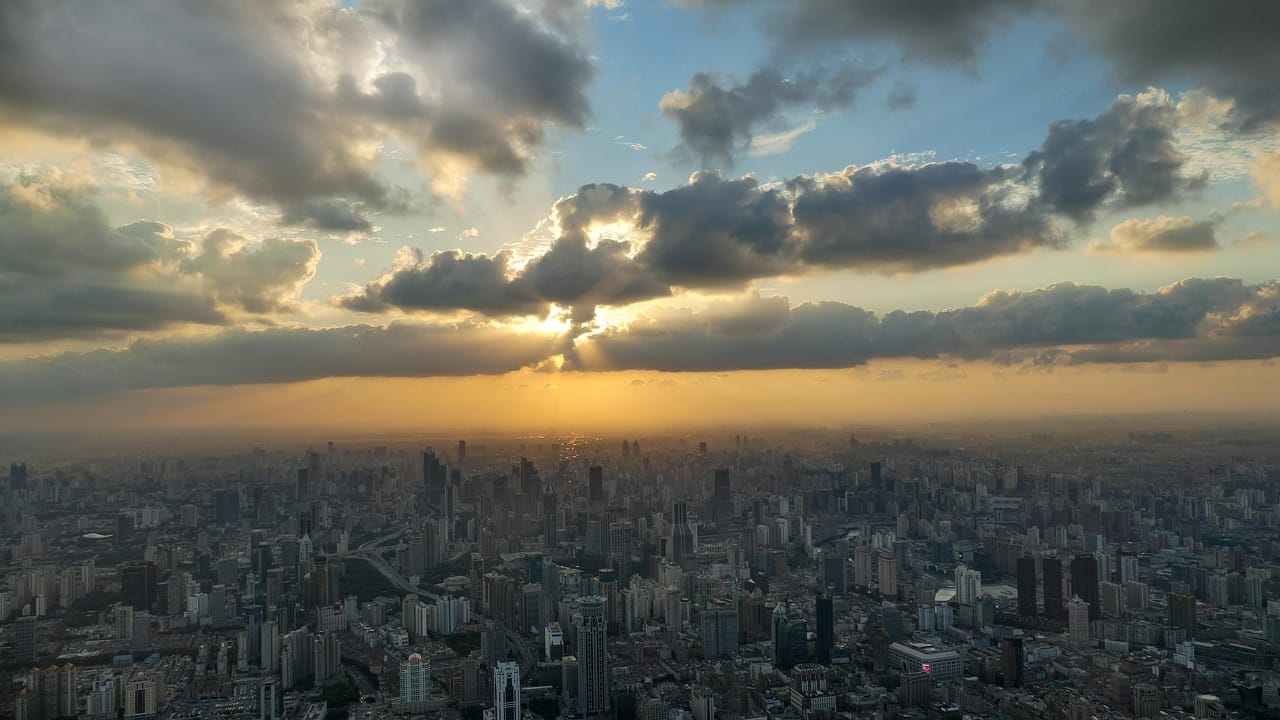
Every breath in a city carries a mix of gases and tiny particles that you cannot see. Some come from traffic, some from heating and industry, some from far away. City air has improved in many places over the past decades, but it is still one of the most important environmental influences on health. Here is what is in it, where it comes from and what you can do.
Fine particles
The most studied pollutant is fine particulate matter, often called PM2.5: particles smaller than 2.5 micrometres, about thirty times thinner than a human hair. They are small enough to go deep into the lungs. They come from engines, brakes and tyres, wood and coal burning, industry and chemical reactions in the air.
Nitrogen dioxide
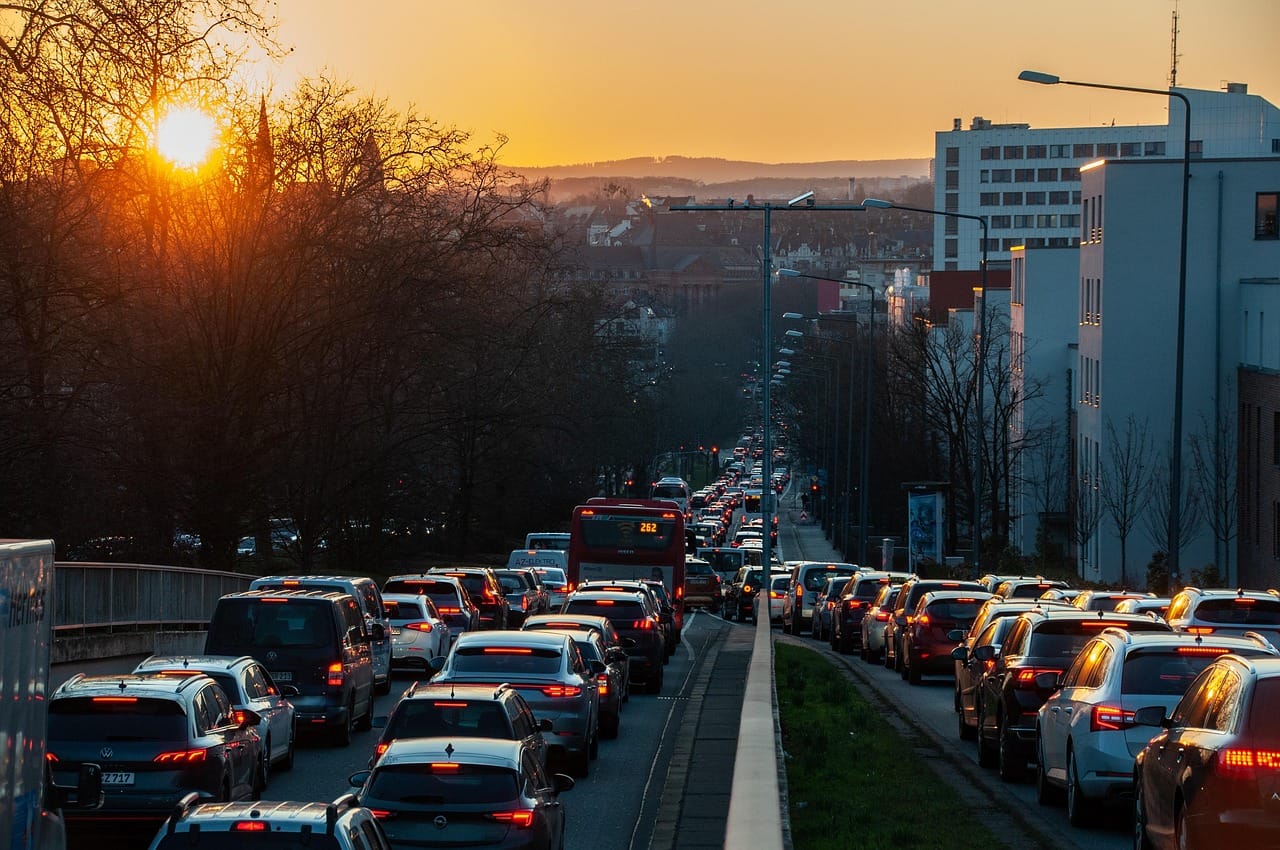
Nitrogen dioxide, NO₂, comes mainly from burning fuel, especially in diesel engines. Levels are highest next to busy roads and fall quickly with distance. A street one block away from a main road can have much cleaner air.
The quietest route is often the cleanest route.
Daniel Osei
Ozone
Ozone high in the atmosphere protects us from ultraviolet light. At ground level, it is a pollutant, formed when sunlight acts on other pollutants. It tends to be highest on hot, sunny afternoons, often outside the city centre.
What you can do
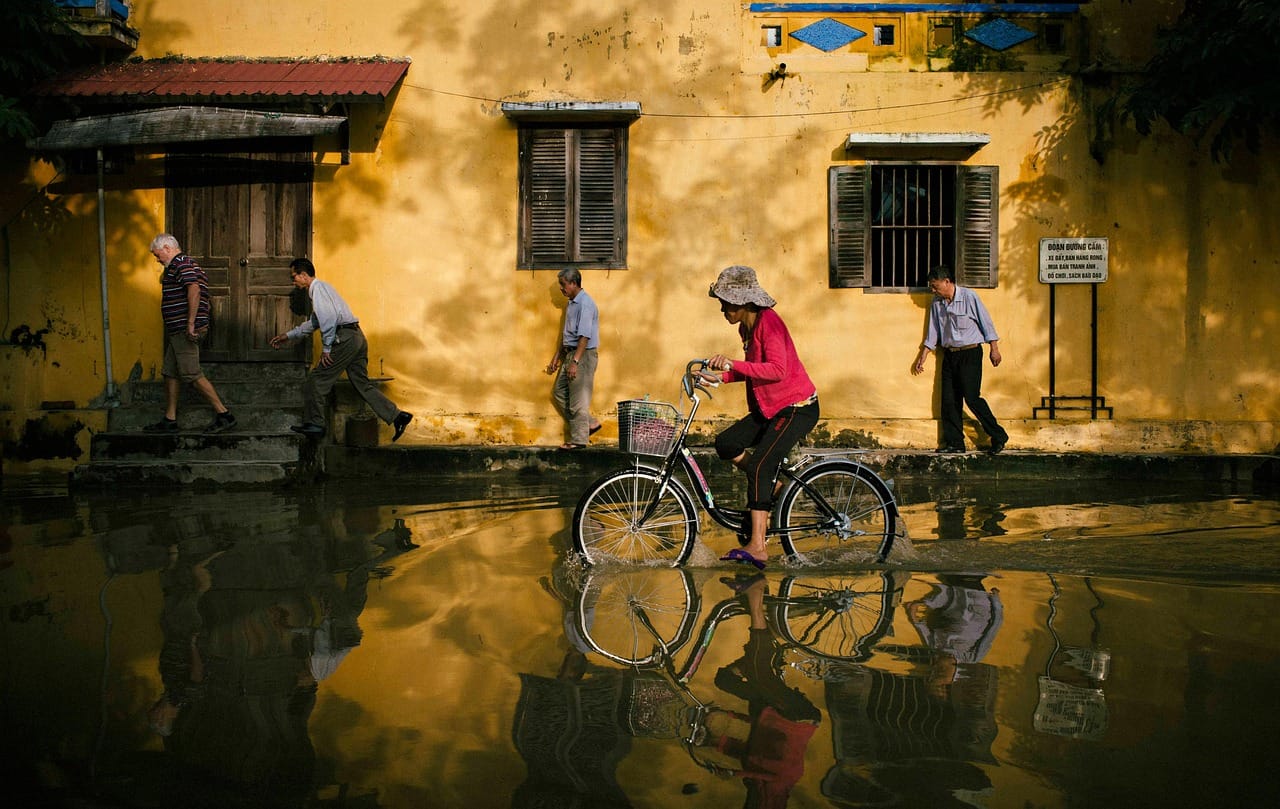
- Walk or cycle on quieter streets, away from main roads.
- Check an air quality app on high-pollution days, especially if you have asthma.
- Avoid burning wood at home if you have other heating.
- Ventilate your home away from busy roads when you can.
| Pollutant | Main city sources | Highest when |
|---|---|---|
| PM2.5 | Traffic, burning, industry | Still, cold days |
| NO₂ | Diesel and petrol engines | Rush hour, busy roads |
| Ozone | Sunlight on other pollutants | Hot, sunny afternoons |
Who is most affected
Air pollution affects everyone, but some people feel it more. Children breathe faster and are closer to car exhausts. Older people and people with heart or lung conditions, including asthma, are more likely to feel symptoms on high-pollution days. People who live and work next to busy roads are exposed for longer.
On days when air quality is poor, it makes sense for these groups to reduce hard exercise outdoors, especially near traffic, and to keep inhalers and medicines close. For everyone else, the most effective step is usually a simple one: choose the quieter route.
Indoors and out
Indoor air matters too, because most people spend most of their time inside. Gas cooking, wood stoves, candles, cleaning sprays and damp all affect indoor air quality. Opening windows after cooking, using an extractor fan and keeping homes free of damp and mould are simple ways to improve it.
What cities are doing
Many cities now take air quality seriously. Low-emission zones charge or ban the most polluting vehicles in central areas, bus fleets are switching to electric, and more streets are being redesigned for walking and cycling. School streets, which close roads outside schools to traffic at drop-off and pick-up times, are becoming common.
Results vary, but the pattern is encouraging: where traffic falls, nitrogen dioxide falls quickly. Particles are harder to tackle, because they also come from heating, industry and sources far outside the city.